The concrete mix design is the foundation of every flatwork project. Understanding the basics helps you ask the right questions and get the right results.
Concrete looks simple — it's gray, it's hard, and it's everywhere. But the mix design behind a concrete slab has a significant impact on how it performs, how it finishes, and how well it holds up over time. For anyone involved in specifying, placing, or finishing concrete flatwork, understanding the basics of mix design is essential.
Concrete is a mixture of cement, water, fine aggregate (sand), coarse aggregate (stone), and often chemical admixtures. The ratio of these components — particularly the water-to-cement ratio — determines the concrete's strength, workability, and durability. A lower water-to-cement ratio generally produces stronger, denser concrete, but also makes the mix stiffer and harder to place.
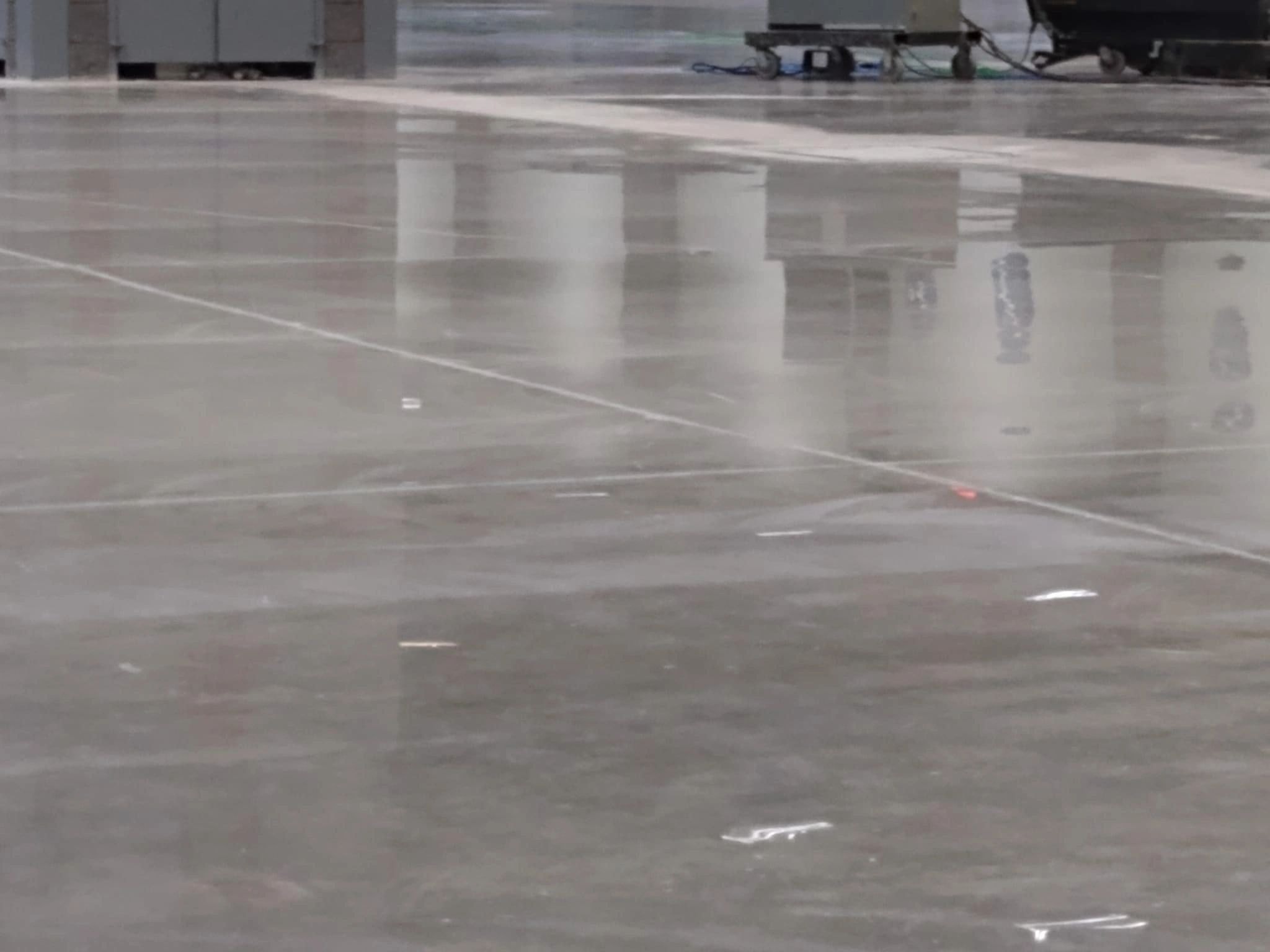
Compressive strength, measured in PSI, is the most common specification for concrete flatwork. Standard residential slabs are typically 3,000–3,500 PSI. Commercial and industrial applications often call for 4,000–5,000 PSI or higher. Higher-strength mixes are denser, more resistant to abrasion, and better candidates for polishing — the aggregate is harder and the paste is tighter.
Aggregate type and size matter more than most people realize. The coarse aggregate in a concrete mix — whether it's limestone, granite, river gravel, or recycled concrete — affects the slab's hardness, color, and how it responds to grinding and polishing. When polishing is the intended finish, the aggregate selection should be part of the specification conversation from the start.
Admixtures are chemical additives that modify concrete's properties. Plasticizers improve workability without adding water. Accelerators speed up curing — useful in cold weather. Retarders slow curing — useful in hot weather or for large pours. Fiber reinforcement reduces plastic shrinkage cracking. Air entrainment improves freeze-thaw resistance for exterior slabs. Each admixture serves a specific purpose and should be selected based on the project's conditions and requirements.
Curing is the final piece of the puzzle. Concrete gains strength through a chemical reaction between cement and water — a process called hydration. Proper curing keeps the slab moist and at the right temperature during the critical early days after placement. Slabs that dry out too quickly or are exposed to freezing temperatures before they've gained sufficient strength will be weaker and more prone to surface defects.
At NuCrete Ohio, we work with concrete flatwork at every stage — from surface preparation and repair to polishing and coating. Understanding the mix design of the slab we're working with helps us specify the right system and set realistic expectations. If you have questions about your existing slab or a new pour you're planning, we're happy to talk through the details.
Ready to Talk About Your Project?
Contact NuCrete Ohio LLC for a free estimate on concrete polishing, coatings, restoration, and more.
Request an Estimate